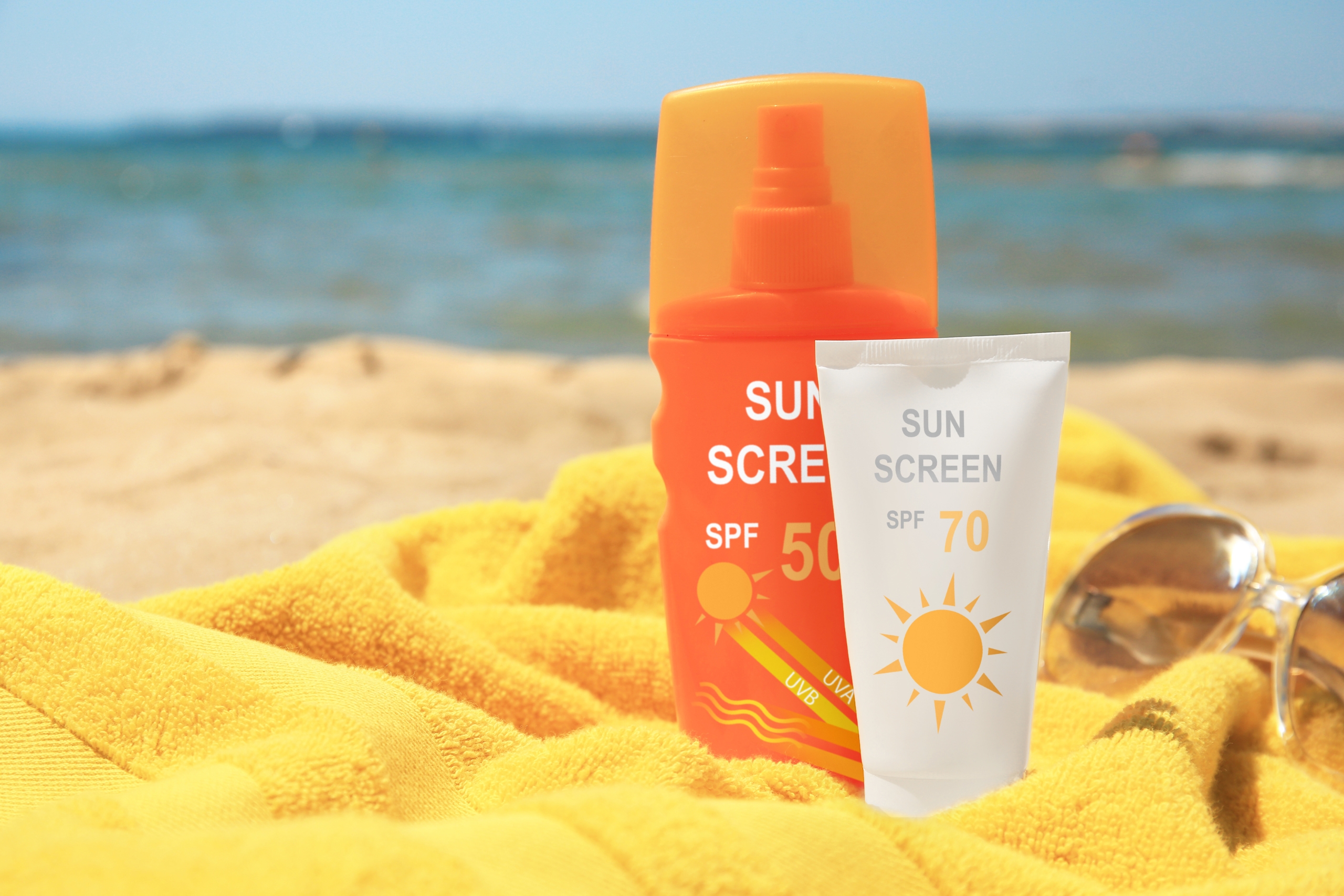
Sunscreen has been a staple of the health and beauty routines of sun-conscious people for decades, but the product that sits on shelves today bears remarkably little resemblance to the greasy, white-cast, limited-spectrum lotions of even twenty years ago — and the pace of that evolution is accelerating with a directness and an urgency that mirrors the acceleration of the climate changes driving it. The world is getting hotter. UV radiation intensity is increasing in many regions as the ozone layer, despite partial recovery, remains compromised in ways that direct more harmful solar radiation toward the earth’s surface. Extreme heat events that were once exceptional are becoming routine across geographies that previously experienced moderate summers. People are spending more time outdoors in more intense sunlight, in more varied environmental conditions, and with a more sophisticated understanding of the specific skin damage mechanisms — from photoageing and hyperpigmentation through to the most serious concern of skin cancer — that inadequate sun protection fails to prevent. The sunscreen industry has responded to these demands with a wave of innovation whose scope encompasses entirely new categories of UV-filtering chemistry, formulation technologies that solve the longstanding problems of white cast, pilling, and inadequate reapplication adherence, and a rapidly growing awareness of the environmental consequences of certain sunscreen ingredients that has redirected formulation priorities toward reef-safe and ocean-friendly alternatives. Understanding how sunscreen has evolved in response to climate change and intensifying heat — and what the most current and most scientifically advanced products offer that their predecessors could not — is genuinely useful knowledge for anyone who takes their skin protection seriously in a world where the solar threat is greater and more complex than it has ever been.
The Science Behind Why Climate Change Is Changing Sun Protection Needs
The relationship between climate change and increased UV exposure is more complex and more multifaceted than the simple equation of warmer temperatures with more time outdoors might suggest, and understanding the specific mechanisms through which a changing climate intensifies the solar threat to skin health provides the scientific context that makes the evolution of sun protection technology genuinely comprehensible rather than merely commercially interesting. Several distinct but interacting processes contribute to the increased UV threat that changing climate conditions are creating, and each has influenced the specific directions in which sunscreen science has evolved to address the growing protection demands of a genuinely more challenging solar environment.
Stratospheric ozone depletion — whose primary driver is the continued presence of atmospheric chlorofluorocarbons and other ozone-depleting substances despite the landmark international action of the Montreal Protocol — remains a significant contributor to increased ground-level UV radiation in certain regions, particularly at higher latitudes where the ozone layer is thinnest and where populations previously accustomed to relatively moderate UV exposure are experiencing measurable increases in UV index values. While the overall ozone layer is on a slow recovery trajectory, regional and seasonal variations in ozone thickness continue to produce periods of elevated UV exposure whose intensity exceeds what historical norms in those regions would have predicted, and the populations of these regions require both the higher SPF protection factors and the improved broad-spectrum UVA coverage that previous generations of sunscreen products frequently failed to provide adequately.
The increasing frequency and intensity of extreme heat events drives a related but distinct change in sun protection requirements — the shift in human behaviour toward longer outdoor exposure during conditions of intense solar radiation that extends the duration and the peak intensity of the sun protection challenge beyond what the traditional application patterns of recreational sunscreen use were designed to address. A person spending several hours outdoors during a heat wave event whose temperature and solar intensity both reach extreme levels is facing a sun protection challenge that the single-application, single-product approach of traditional sunscreen use is genuinely inadequate to meet — a challenge that has driven innovation in sunscreen durability, reapplication convenience, and the combination of sun protection with other heat-related skin protection benefits including antioxidant defence against the infrared and pollution-related skin damage that accompanies high-UV high-heat conditions.
The Evolution of UV Filters: From Chemical Concerns to Next-Generation Protection
The active ingredients in sunscreen — the UV filters whose chemistry determines which wavelengths of solar radiation are absorbed or reflected before they reach the skin’s surface — have undergone the most fundamental and most scientifically significant evolution of any component of the sun protection formulation, driven simultaneously by growing evidence about the limitations and safety concerns of certain established filters and by the development of new filter chemistries whose performance, safety profile, and cosmetic elegance represent genuine advances over what the previous generation of UV protection chemistry could achieve.
The concerns that emerged in the early 2020s about the systemic absorption of certain chemical UV filters — including oxybenzone and octinoxate, the two most commonly cited in regulatory and environmental discussions — prompted both regulatory review by the United States Food and Drug Administration and a significant acceleration in the development and adoption of alternative filter systems whose systemic absorption profile is more limited and whose environmental impact, particularly in coral reef ecosystems where chemical UV filters have been implicated in bleaching and developmental harm, is considerably more benign. The reformulation pressure created by these concerns has been one of the most productive forces in recent sunscreen innovation, driving the widespread adoption of zinc oxide and titanium dioxide in their newer micronised and nano-formulated forms — which address the white cast and heavy texture problems that made earlier mineral sunscreen products cosmetically unacceptable to many users — and the introduction of newer chemical filter systems including Tinosorb S, Tinosorb M, and Mexoryl XL that provide excellent broad-spectrum protection with significantly improved photostability and cosmetic profiles compared to the older chemical filters they are replacing.
Photostability — the ability of UV filters to remain chemically stable and functionally effective when exposed to the solar radiation they are designed to absorb — has emerged as one of the most important and most rigorously evaluated performance characteristics of modern sunscreen formulation, driven by the recognition that certain widely used UV filters, including avobenzone, degrade rapidly on exposure to UV light and lose their protective effectiveness within minutes of sun exposure unless stabilised by complementary filter systems. The development of photostable filter combinations — in which the degradation of individual filters is prevented by the presence of stabilising partners that absorb the energy that would otherwise drive the degradation reaction — has been one of the most significant technical advances in sunscreen chemistry of the past two decades, and the products that incorporate genuinely photostable filter systems provide measurably superior ongoing protection during extended outdoor exposure compared to those whose filters degrade to reduced effectiveness within the first hour of sun exposure.
Broad-Spectrum Protection and the Growing Understanding of UVA Damage
One of the most important shifts in the science and regulation of sun protection over the past decade has been the growing recognition of the significance of UVA radiation — the longer-wavelength component of the solar UV spectrum that penetrates more deeply into the skin than the shorter-wavelength UVB radiation whose role in causing sunburn made it the primary target of early sunscreen development — and the corresponding evolution of regulatory requirements, product testing standards, and consumer awareness around the necessity of genuine broad-spectrum protection that addresses both UV components with equivalent seriousness.
UVA radiation is responsible for the majority of the photoageing damage that the sun inflicts on skin over a lifetime of exposure — the collagen and elastin breakdown that produces wrinkles, the melanin disruption that creates uneven pigmentation and dark spots, and the deep dermal damage whose cumulative effects on skin structure and texture contribute more to the appearance of aged skin than any other single environmental factor. Unlike UVB, which is partially blocked by glass and whose intensity varies significantly with the angle of the sun, UVA penetrates glass, maintains relatively consistent intensity throughout the day, and reaches the skin in significant amounts even on overcast days whose reduced UVB output might otherwise suggest that sun protection is unnecessary. The skin cancer risk associated with UVA, while less directly causative than that of UVB for the most common forms of the disease, is nonetheless significant and growing in its recognition as a contributor to melanoma development in ways that the earlier, UVB-focused understanding of sun-cancer relationships did not fully account for.
The regulatory response to this growing UVA awareness has varied between jurisdictions — the European sunscreen regulatory framework has consistently maintained more rigorous UVA protection requirements than the American FDA framework, and the global sunscreen market now reflects a genuine bifurcation between products formulated to the higher European PA and critical wavelength UVA standards and those meeting the more permissive American broad-spectrum standards. The most advanced contemporary sunscreen formulations address this regulatory and scientific evolution by incorporating UVA filters — particularly the newer generation of broad-spectrum filters including Tinosorb S and Uvinul A Plus — at concentrations sufficient to provide genuine and significant UVA protection whose clinical contribution to the prevention of photoageing, hyperpigmentation, and UVA-associated cancer risk goes well beyond the minimum required by any regulatory standard and reflects the most current and most comprehensive scientific understanding of the full UV protection requirement that skin health in a high-UV environment genuinely demands.
Formulation Innovation: Solving the Problems That Made Sunscreen Hard to Wear
The most practically significant barrier to adequate sun protection has never been the cost of sunscreen or the availability of sufficient SPF — it has been the consistent failure of enough people to apply sunscreen consistently and adequately, driven largely by the formulation problems of traditional products whose white cast, greasy texture, uncomfortable feel, and tendency to pill under makeup or deteriorate during perspiration made daily wear a cosmetic compromise that many people chose to avoid. The wave of formulation innovation that has transformed the sensory profile and wearability of modern sun protection products has therefore had a greater practical impact on population-level sun protection adequacy than any increase in SPF numbers or improvement in UV filter chemistry, because protection that people actually wear every day provides infinitely more skin cancer and photoageing prevention than theoretically superior protection that sits unused on the bathroom shelf.
The development of genuinely cosmetically elegant mineral sunscreen formulations — whose zinc oxide and titanium dioxide active ingredients are now available in particle sizes, coating technologies, and carrier systems that eliminate or dramatically reduce the white cast that made earlier mineral products unwearable for many skin tones — has been one of the most commercially and practically significant formulation advances of the past decade. Micronised and nano-formulated zinc oxide, treated with surface coatings that prevent agglomeration and improve dispersibility in cosmetically elegant vehicle systems, now produces sunscreen formulations whose skin appearance on application is indistinguishable from that of much-loved chemical filter products whose white cast-free performance previously had no mineral equivalent. The safety and environmental advantages of mineral filters, combined with this formulation elegance, have made them the preferred active ingredient category for the growing segment of health and beauty consumers whose purchasing decisions are influenced by both personal safety concerns and environmental consciousness.
Tinted sunscreens — whose iron oxide pigment additions provide both the cosmetic benefit of skin tone matching and the previously underappreciated UV protection benefit of iron oxide’s ability to block visible light and high-energy visible light whose contribution to hyperpigmentation and pigmentary disorders has only recently been recognised — represent a further formulation innovation whose practical adoption has significantly improved sun protection adequacy among populations whose melanin-rich skin tones were poorly served by the cosmetically inappropriate white cast of traditional mineral formulations. The recognition that visible light, and particularly the high-energy violet and blue components of the visible spectrum, contributes meaningfully to the melasma and post-inflammatory hyperpigmentation that affect darker skin tones disproportionately has given tinted sunscreens a clinical significance that goes well beyond their cosmetic appeal, making them the recommended sun protection format for dermatologists treating pigmentary conditions in patients across the full range of skin tones whose adequate protection requires coverage of the full solar spectrum rather than only its UV components.
Environmental Consciousness and the Reef-Safe Sunscreen Movement
The environmental impact of sunscreen ingredients has emerged as a significant driver of formulation innovation whose influence on the direction of sun protection science is growing in proportion to the increasing urgency of both coral reef conservation concerns and the broader consumer demand for personal care products whose environmental footprint is genuinely benign rather than simply marketed as such. The evidence linking certain chemical UV filters — most prominently oxybenzone and octinoxate — to coral bleaching, developmental abnormalities in coral larvae, and disruption of marine ecosystem health at concentrations measurable in coral reef waters around popular swimming and snorkelling destinations has driven both regulatory action in environmentally sensitive jurisdictions and a substantial shift in consumer preference toward mineral-filter formulations whose environmental impact in marine environments is considerably more limited.
Hawaii’s 2021 ban on sunscreens containing oxybenzone and octinoxate — the first such ban by a US state and one that has since been followed by similar measures in other jurisdictions including parts of Mexico, the US Virgin Islands, and several Pacific island nations — created a significant regulatory stimulus for the reformulation of existing products and the development of new formulations whose active ingredient profiles are compatible with both the environmental protection requirements of these jurisdictions and the consumer demand for effective, cosmetically elegant sun protection that does not require the sacrifice of product performance for environmental responsibility. The market response to this regulatory stimulus has been substantial and commercially driven — the reef-safe sunscreen segment has grown dramatically in both product availability and consumer adoption, and the formulation quality of the best current reef-safe products is genuinely comparable to or superior to that of the chemical filter products they are replacing for the consumers who have made the transition.
The broader environmental evolution of sunscreen formulation extends beyond reef safety to encompass sustainable packaging, biodegradable formulation vehicles, certified organic ingredient sourcing, and the elimination of microplastics and other persistent environmental contaminants from product formulations whose eventual environmental dispersal through showering, swimming, and outdoor use makes their ingredient profile a genuine ecological consideration rather than merely a marketing talking point. The sunscreen brands whose environmental commitments are reflected in the full lifecycle of their products — from ingredient sourcing through formulation, packaging, use, and disposal — are those whose appeal to the growing segment of environmentally conscious consumers in the health and beauty category is most genuinely earned and most sustainably maintained, and whose contribution to the long-term compatibility of sun protection with healthy marine and terrestrial ecosystems is most practically meaningful.
Conclusion
The evolution of sunscreen in response to climate change and intensifying solar radiation represents one of the most practically important and most scientifically dynamic areas of development in the entire health and beauty industry — a field whose advances in UV filter chemistry, formulation technology, broad-spectrum protection science, and environmental responsibility have produced a generation of sun protection products that is genuinely and substantially superior to its predecessors in virtually every dimension that matters for real-world skin protection. The skin cancer prevention, photoageing protection, and hyperpigmentation management that adequate daily sun protection provides have never been more important than they are in a world where UV radiation intensity, extreme heat events, and extended outdoor exposure are all increasing under the influence of climate dynamics that show no signs of reversing in the near to medium term. The investment in genuinely high-quality, broad-spectrum, photostable, and cosmetically wearable sun protection — applied consistently, reapplied adequately, and chosen with genuine attention to both personal skin protection needs and environmental impact — is one of the most important and most immediately actionable health and beauty investments available to anyone who takes their long-term skin health and their contribution to the environmental challenges their generation faces with equal and integrated seriousness.