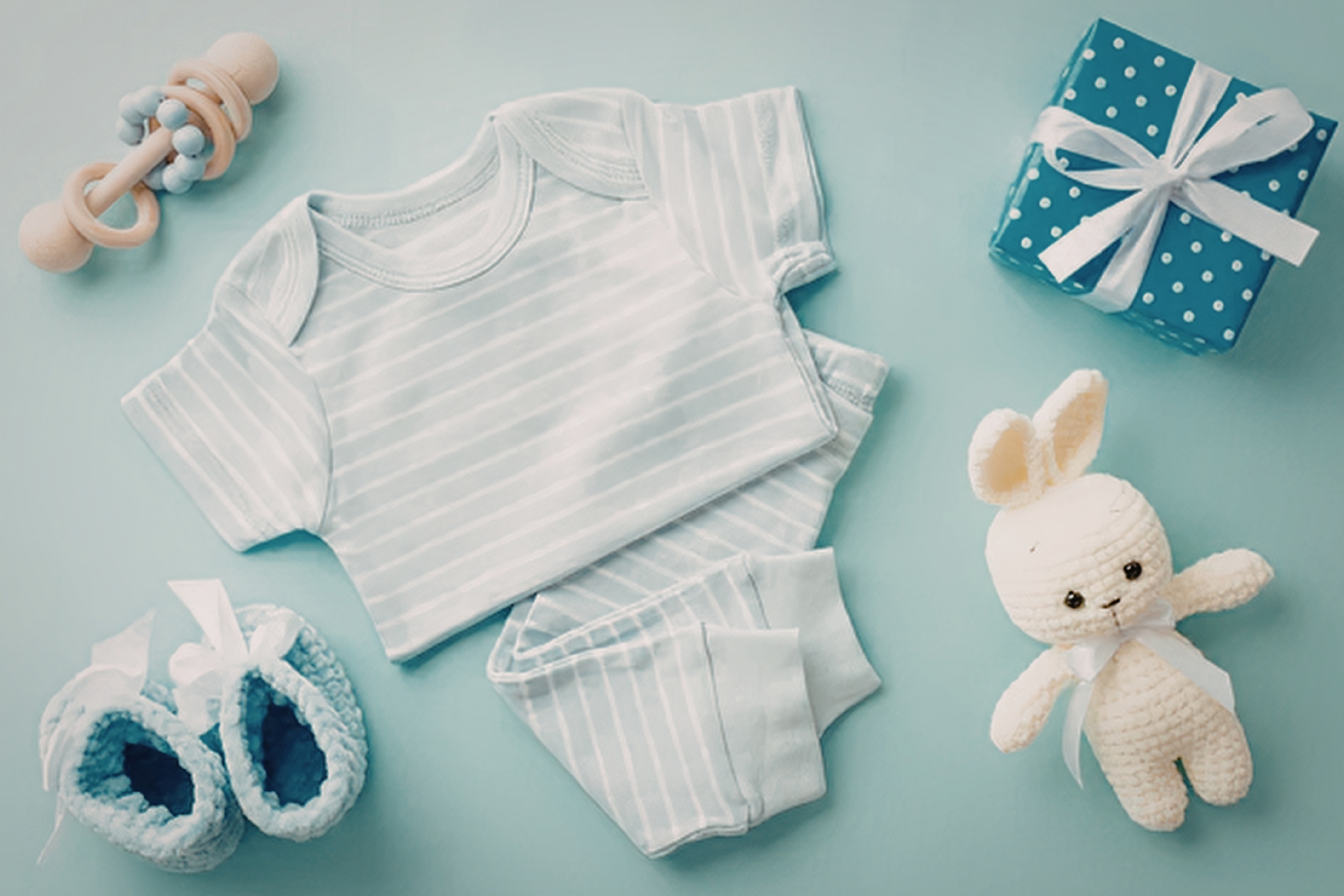
Choosing a gift for a one-year-old baby is one of the most genuinely rewarding gifting tasks available — a purchase whose beneficiary is at the most rapidly developing stage of human life, whose curiosity about the world is boundless and unfiltered, and whose delight in the right toy or book or sensory experience is expressed with an immediacy and an authenticity that no other gift recipient quite matches. A one-year-old is simultaneously a baby and a toddler in the making — mobile or becoming mobile, beginning to understand language at a pace that is genuinely astonishing, developing the fine motor skills that will eventually allow them to draw, build, and manipulate their environment, and exploring the social and emotional world of relationships with a developmental urgency whose support through well-chosen play experiences has measurable and lasting consequences for cognitive and social capability. The best gifts for one-year-olds are not the flashiest, the most technologically complex, or the most expensive items available in the toy aisle — they are the ones whose design reflects genuine understanding of what a one-year-old brain needs to develop optimally, whose materials are safe for a child whose primary exploratory tool is still the mouth, and whose play value sustains genuine engagement across the developmental changes that occur rapidly throughout this extraordinary year of growth. This guide covers the most developmentally appropriate, most genuinely engaging, and most warmly received gift categories for one-year-old babies, with honest explanations of what makes each genuinely valuable rather than merely commercially popular.
What One-Year-Old Brains Actually Need: The Developmental Context
Understanding what is happening neurologically and developmentally at the age of one provides the framework that makes gift selection for this age group genuinely purposeful rather than simply well-intentioned. The first year of life is the period of the most rapid brain development in the entire human lifespan — more neural connections are formed during this year than at any subsequent point, and the quality and variety of sensory, motor, and social experiences that a baby encounters during this period directly influences the strength, density, and organisation of these neural networks whose architecture underpins every subsequent cognitive achievement. A gift that provides rich, varied, and age-appropriate sensory input, that invites the kind of active exploration and physical manipulation that develops motor skills and spatial understanding, or that supports the emerging social and communicative capabilities of a one-year-old is not simply an entertaining purchase — it is a genuine contribution to the developmental infrastructure whose quality at this age shapes cognitive capability for years to come.
At twelve months, most babies are in the process of transitioning from primarily stationary floor play to the early stages of walking, whose development demands balance, body awareness, and the kind of confident physical exploration that safe, appropriately challenging physical play supports. Hand-eye coordination is developing rapidly, and the ability to pick up, manipulate, transfer, and examine small objects with increasing precision is one of the most important and most observable developmental achievements of the twelve-to-eighteen-month period. Language comprehension — the ability to understand spoken words and simple instructions — is developing significantly faster than expressive language at this age, and the exposure to rich, varied, and consistent language input through books, songs, and conversation is one of the most important developmental investments of the entire first year. Object permanence — the understanding that objects continue to exist even when they are out of sight — is fully established around this age, making games involving hiding and finding particularly engaging and developmentally stimulating. Social referencing — the tendency to look to trusted adults for cues about how to respond to new situations — is highly active, making shared play between baby and carer one of the most powerful developmental experiences available at this age.
The safety requirements for gifts for one-year-olds are non-negotiable and should be the first evaluative filter applied to any potential gift before any other consideration. Choking hazard is the primary safety concern — any small part whose diameter is less than 44 millimetres and whose length is less than 57 millimetres presents a potential choking risk for a child who will instinctively place anything interesting in their mouth, and the safety standards applied to toys marketed for children under three provide the regulatory minimum that any responsible gift should meet. Non-toxic materials, absence of sharp edges, durability sufficient to withstand the enthusiastic handling and occasional throwing that one-year-old play involves, and the absence of long strings or cords whose strangulation risk makes them entirely inappropriate for this age group are the further safety criteria whose consideration before any gift purchase reflects both genuine care for the child and the practical wisdom that prevents the gifting occasion from producing an anxious conversation with concerned parents about an unsafe item that cannot be used.
Shape Sorters, Stacking Toys, and Cause-and-Effect Playthings
The category of simple manipulative toys — shape sorters, stacking rings, nesting cups, and cause-and-effect toys whose activation requires the physical interaction that develops motor skills and teaches the fundamental concept that actions produce predictable consequences — is one of the most developmentally productive gift categories available for one-year-olds and one whose play value persists far beyond the initial gift occasion as the child’s developing capability allows progressively more sophisticated engagement with the same toys over many months. These are the gifts that developmental psychologists and paediatricians most consistently recommend for this age group, whose endorsement reflects both the decades of research supporting the developmental value of hands-on manipulative play and the observed reality that these toys generate sustained, focused engagement in one-year-olds whose attention in other contexts is considerably more fleeting.
Shape sorters — toys requiring the matching of shaped blocks to corresponding holes whose geometry must be understood and oriented correctly for the block to pass through — provide a developmental challenge that sits precisely at the edge of a one-year-old’s emerging spatial reasoning capability, offering the kind of achievable-with-effort cognitive challenge that generates genuine satisfaction when mastered and sustains engagement through the repeated attempts whose cumulative learning is precisely how this age group develops new skills. The best shape sorters for one-year-olds are those with a small number of clearly differentiated shapes — three to six is generally optimal, with more shapes being appropriate as the child approaches eighteen months — robust enough construction to withstand the enthusiastic handling of a one-year-old, and sufficiently large individual pieces to eliminate any choking hazard concern. Wooden shape sorters from quality toy makers including Melissa and Doug, Plan Toys, and Hape combine the developmental benefits of the classic format with the material quality and aesthetic appeal that make them gifts whose longevity in the household extends well beyond the child’s own developmental use of them.
Stacking rings and nesting cups offer complementary developmental benefits whose combination of spatial reasoning development, fine motor practice, and cause-and-effect learning makes them among the most versatile single toys available for the one-year-old age range. The satisfaction of successfully placing a ring on the post or nesting a smaller cup inside a larger one provides the immediate positive feedback that this age group requires for sustained engagement — and the alternative play possibilities of the same toys, from banging and rolling to water play and sand play, extend their developmental value across a far broader range of contexts and developmental stages than any single-purpose toy can match. Cause-and-effect toys whose activation — pressing a button, pulling a lever, pushing a slider — produces a sound, a movement, a light, or a surprising outcome are particularly engaging for one-year-olds whose developing understanding of object permanence and causal relationships makes the predictable but still delightful consequences of these toys a source of genuine intellectual pleasure whose repeated activation reflects genuine learning rather than simple entertainment.
Books, Music, and Language-Rich Gifts That Build the Foundation for Literacy
The gift of books for a one-year-old is among the most developmentally impactful and most consistently appreciated by parents of any gift available for this age — a category whose contribution to language development, pre-literacy skills, cognitive development, and the parent-child bonding that shared book reading creates is supported by one of the most robust and most consistent bodies of research in the entire early childhood development literature. A one-year-old cannot read independently and will not understand every word in even the simplest picture book, but the experience of being read to — held close to a trusted adult whose voice and presence creates the warmth and security that makes the book’s content maximally accessible to a developing mind — is one of the most powerful and most lasting developmental investments available for a child at this age.
Board books — whose thick, durable pages are specifically designed to survive the enthusiastic handling, page-turning, and occasional chewing of one-year-old reading — are the appropriate format for this age group, and the quality of both the production and the content should guide selection beyond the mere fact of board book format. Books with simple, clear illustrations whose visual clarity allows a one-year-old’s developing visual processing to engage meaningfully with the images, books whose repetitive language patterns provide the rhythmic predictability that one-year-olds find particularly engaging and developmentally beneficial, and books whose content connects with the child’s actual daily experience — animals they might encounter, foods they eat, activities they recognise — are those whose engagement value is highest for this age group. Classic titles including Each Peach Pear Plum, Dear Zoo, and the That’s Not My series whose tactile pages add a sensory dimension to the reading experience are perennially popular for genuinely good developmental reasons whose recognition by generations of parents and early years educators reflects real experience of what one-year-olds most consistently and most enthusiastically engage with.
Musical gifts — wooden xylophones, simple drums, maracas, and tambourines whose construction is robust enough for one-year-old use and whose dimensions and weight are appropriate for small hands — provide the kind of self-directed sound exploration that develops auditory processing, rhythm awareness, and the fundamental understanding of cause and effect that musical instruments deliver through the immediate, predictable, and entirely child-controlled production of sound. The developmental benefits of early music exposure — including enhanced phonological awareness whose contribution to subsequent literacy development is well-documented, improved fine motor coordination, and the emotional regulation benefits of musical engagement — make musical gifts for one-year-olds one of the most developmentally justified categories available, and the spontaneous delight that most one-year-olds express when handed a simple instrument for the first time is one of the most immediate and most authentic gift responses available in the entire gifting calendar. Songs, rhymes, and the gift of music-making in the shared context of parent-child play represent one of the most important gifts and care investments a one-year-old can receive.
Push-Along Toys, Ride-Ons, and Movement Gifts That Support Physical Development
The physical development of a one-year-old — whose transition from cruising along furniture to independent walking is one of the most celebrated and most developmental significant achievements of the first year — is supported by a specific category of gifts whose design specifically addresses the movement, balance, and physical confidence challenges of this developmental stage. Push-along walking toys, simple ride-on vehicles without pedals, and other movement-supporting playthings are among the most popular and most developmentally appropriate gifts available for one-year-olds and among those whose benefit to the child’s physical and neurological development is most immediately and most visibly expressed in the quality and confidence of early movement.
Push-along walking toys — toys with a handle at an appropriate height for a cruising or early walking one-year-old that provide the stability support needed for confident early walking practice — are particularly valuable gifts for babies who are on the cusp of independent walking, providing the physical confidence that the ability to lean lightly on a stable support creates without the full dependence of holding a carer’s hands. The best push-along toys combine the walking support function with additional play features — blocks to load and unload, shape-sorting activities, or musical elements — that provide engaging incentive for the walking activity rather than requiring the toy’s sole developmental contribution to be its support function. The quality of the wheels, the stability of the base, and the height-appropriateness of the handle are the primary functional criteria for evaluating push-along walking toys, alongside the safety considerations of robust construction, absence of pinch points, and sufficiently wide base geometry that prevents tipping when a top-heavy one-year-old leans on the handle with more enthusiasm than balance.
Simple wooden ride-on toys — whose lack of pedals makes them fully accessible to one-year-olds whose leg strength and coordination is not yet adequate for pedal-powered vehicles — support the development of balance, body awareness, and the proprioceptive feedback that underlies both physical coordination and the spatial self-awareness whose development in the first years of life contributes to subsequent mathematical and geometric reasoning capability. Quality wooden ride-on animals and vehicles from makers including HABA, Plan Toys, and Janod combine the developmental benefits of the format with the material quality and aesthetic beauty that make them gifts that parents actively enjoy having in their homes rather than merely tolerating as the inevitable clutter of one-year-old toy ownership — a consideration that reflects the genuine thoughtfulness of selecting gifts whose quality and aesthetic appeal make them welcome in the household rather than simply appropriate for the child.
Sensory Toys and Water Play: Engaging Every Dimension of a Developing Mind
Sensory play — the exploration of different textures, temperatures, sounds, visual patterns, and physical properties through direct hands-on interaction — is one of the most fundamentally important categories of developmental experience available to one-year-olds whose sensory processing systems are in the process of the most rapid calibration and refinement of the entire lifespan. Gifts that provide rich, safe, and varied sensory experiences contribute directly to the neural development of the sensory processing pathways whose quality influences attention regulation, emotional regulation, and the physical awareness that underlies comfortable and confident engagement with the physical world. Sensory gifts for one-year-olds span a wide range of formats and price points, from the simplest textured board books and fabric activity toys through to more elaborate sensory play sets whose components provide systematic exploration of specific sensory qualities.
Soft fabric activity cubes, sensory balls in different textures, and soft stacking blocks whose varied fabric surfaces — velvet, terry cloth, crinkle fabric, and smooth cotton — provide different tactile experiences within a single toy are among the most straightforwardly appealing and most developmentally productive sensory gifts for one-year-olds. The combination of safe manipulability, varied sensory input, and the cause-and-effect learning that crinkle sounds and squeaks provide makes these toys consistently engaging for this age group whose sensory curiosity is matched by the still-developing fine motor skills whose gradual mastery these toys reward without demanding a level of coordination the child does not yet possess. Sand and water play sets — whose use in outdoor or bathtub contexts provides the rich sensory experience of water and sand manipulation whose developmental benefits for fine motor skills, scientific thinking, and creative exploration have been extensively documented in early years education research — are particularly well-received gifts for one-year-olds approaching their second year whose growing physical capability makes more active, exploratory play increasingly central to their developmental needs.
The selection of sensory gifts for one-year-olds should always include consideration of the specific sensory sensitivities of the individual child, whose response to different sensory inputs varies as widely as any other individual characteristic and whose particular sensitivities — to loud sounds, to certain textures, or to visual complexity — are already becoming apparent by the age of one in ways that attentive parents and carers will have begun to notice and to accommodate. A gift that incorporates sensory elements that the specific child genuinely enjoys — the particular texture of fabric that they seek out, the specific sound quality that consistently captures their attention, or the visual pattern type that they return to with evident pleasure — demonstrates the quality of attention and care for the individual child that elevates any gift above the generic and makes the giving occasion a genuine expression of the specific relationship between giver and the remarkable little person whose first year of life is the occasion being celebrated.
Conclusion
The best gifts for one-year-old babies are those that meet the developing child where they actually are — toys and books and musical instruments and movement supports whose design reflects genuine understanding of the cognitive, physical, social, and emotional developmental territory that a one-year-old inhabits, and whose quality and safety reflect genuine care for the wellbeing of a child whose vulnerability and whose extraordinary developmental potential both deserve the most thoughtful and most honest attention that any gift selection process can bring to bear. The shape sorter that invites spatial reasoning, the board book whose shared reading builds language and connection, the wooden musical instrument whose sound exploration supports auditory development, the push-along walker whose support builds physical confidence, and the sensory toy whose tactile richness feeds the neural development of a calibrating sensory system — each of these gift categories contributes something specific, something genuine, and something lasting to the development of a child at the most remarkable and most rapid stage of growth that human life produces. The gifts and care invested in selecting truly excellent gifts for one-year-old babies reflect a recognition that this extraordinary year deserves more than the first colourful object that catches the eye in a toy shop — it deserves the thoughtful, informed, and genuinely child-centred approach whose results are felt not just on the day of the gift but in the developmental richness of every hour of play that the right gift makes possible.