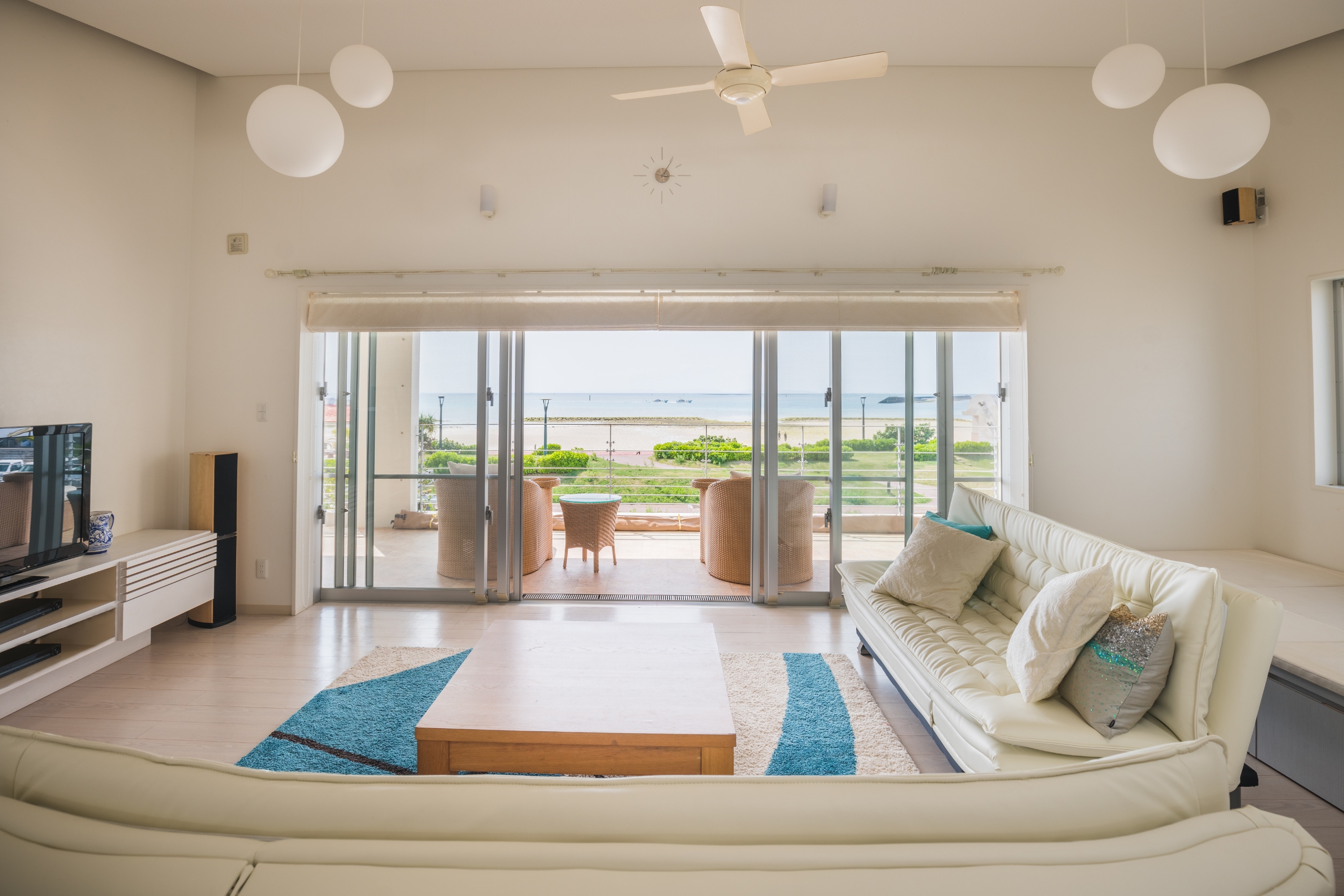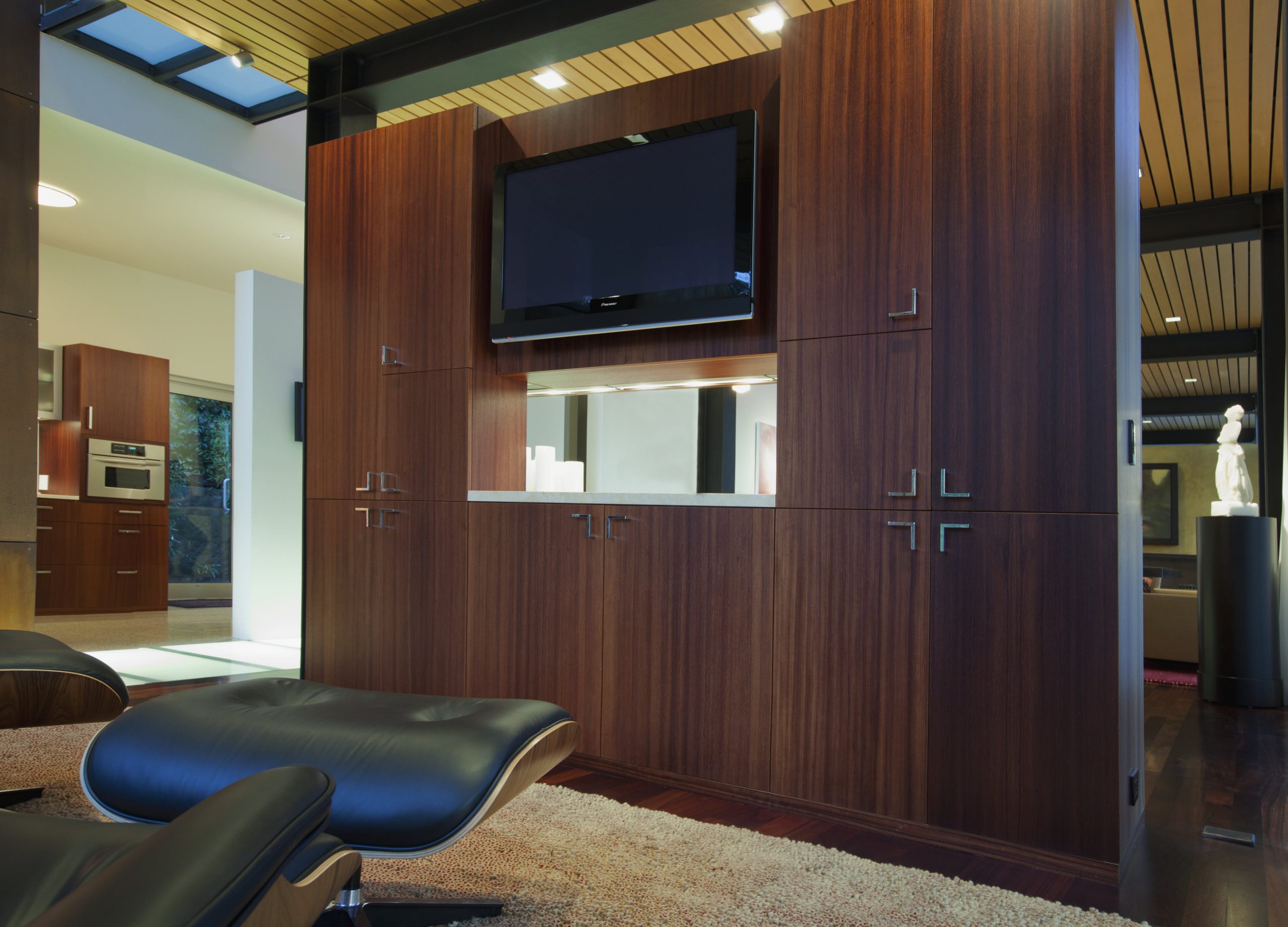
The dedicated home entertainment room is one of the most personally rewarding design projects a homeowner can undertake — a space whose entire purpose is pleasure, relaxation, and the shared enjoyment of the activities that the household loves most. Whether the vision is a cinematic home theatre whose immersive audio-visual experience rivals the best commercial venues, a games room whose collection of consoles, board games, and arcade cabinets provides entertainment for every age and every mood, a multi-purpose leisure space that combines multiple entertainment functions within a single thoughtfully designed room, or a music and media room whose acoustic treatment and equipment quality satisfy the most discerning enthusiast, the home entertainment room represents the ultimate expression of designing a home around how its occupants actually want to live. The challenge — and the creative opportunity — of designing a home entertainment room lies in the enormous range of decisions whose interaction determines whether the finished space genuinely delivers the immersive, comfortable, and technically excellent experience the design aspired to, or whether compromises made at the planning stage leave the finished room falling short of its potential in ways that become more apparent with each use. This guide covers every major design dimension of the home entertainment room — from layout planning, audiovisual technology selection, and acoustic treatment through to seating, lighting, décor, and the small but significant finishing details that collectively determine whether a room feels merely equipped or genuinely extraordinary.
Planning the Layout: Getting the Foundation Right Before Any Technology Goes In
The most common and most consequential mistake in home entertainment room design is the reverse order problem — selecting the technology first and then attempting to make the room work around it, rather than establishing the optimal layout for the space and selecting technology whose specifications fit the determined dimensions. A layout designed around the room’s actual geometry, its viewing distances, its acoustic characteristics, and its traffic flow requirements creates the conditions within which every subsequent technology and décor decision can be made with genuine confidence that the finished result will perform as intended. A layout determined by the desire to install the largest screen or the most impressive speaker array the budget can stretch to, regardless of whether the room’s dimensions and proportions make those choices technically optimal, is a layout whose compromises accumulate into a finished experience that underperforms the investment made in it.
Viewing distance is the single most important layout variable in any home cinema or television-focused entertainment room, because the relationship between screen size and viewing distance determines the quality of the viewing experience more directly than any other factor including screen resolution or image quality. The Society of Motion Picture and Television Engineers recommends a viewing angle of approximately thirty degrees for an optimal cinema experience, which translates to a viewing distance roughly one and a half to two times the diagonal screen size for a standard widescreen display. A 65-inch screen viewed from four metres feels underpowering — the image occupies insufficient field of vision to create genuine immersion. The same screen viewed from two metres feels uncomfortably large and fatiguing. Establishing the viewing distance the room’s dimensions make available before selecting the screen size ensures that the chosen display will actually perform as intended in the specific space rather than simply looking impressive in the showroom from which it was selected.
Speaker placement follows similarly precise principles whose application in the planning stage — before furniture is positioned, cable runs are determined, and wall treatments are fixed — produces infinitely better acoustic outcomes than the retrospective compromise of fitting a speaker system around decisions already made for other reasons. A true surround sound system requires specific relationships between the positions of front left, centre, front right, surround left, surround right, and subwoofer channels whose ideal geometry is well-defined and whose deviation from optimum produces audibly degraded soundstage and imaging. Planning speaker positions on paper before a single item of furniture is moved allows the room’s layout to be organised around the acoustic requirements of the system rather than the system’s positions to be compromised by the layout decisions made for other reasons — a discipline whose reward is a finished acoustic environment whose performance the same equipment could never achieve in a layout determined without acoustic consideration.
Audiovisual Technology: Choosing the Screen, Sound System, and Source Equipment That Genuinely Performs
The audiovisual technology at the heart of a home entertainment room is the component whose selection most directly determines the quality of the experience the room delivers, and the decisions involved — screen type, screen size, projector versus flat panel display, speaker system format and quality, amplification, source equipment, and the connectivity and control infrastructure that ties everything together — reward the investment of genuine research and honest assessment of the room’s specific requirements and limitations rather than the default selection of the most impressive or most expensive options irrespective of their fit with the specific context.
The choice between a large flat panel display and a projection system is the most fundamental audiovisual decision in any home cinema design and one whose correct answer depends entirely on the specific characteristics of the room being equipped. Flat panel displays — the OLED and high-end LED televisions whose picture quality, contrast performance, and ease of setup make them the default choice for most home entertainment rooms — offer exceptional image quality in rooms with ambient light that cannot be fully controlled, simpler installation and maintenance than projection systems, and the HDR performance and colour accuracy that makes the most of modern streaming and disc content. Projection systems — whose large screen sizes at lower per-inch costs, genuine cinematic screen presence, and the particular visual quality of a front-projected image on a high-gain screen make them the choice of the dedicated home cinema enthusiast — require genuinely controlled ambient light to perform at their best and benefit from acoustic treatment of the projection screen’s reflective properties whose interaction with the room’s sonic character is more complex than a flat panel installation requires.
The audio system is the component that most consistently separates truly immersive home entertainment experiences from merely visually impressive ones — a fact that is counterintuitive to many buyers whose instinct is to invest primarily in screen quality while treating the sound system as a secondary consideration. Audio quality is responsible for a disproportionate share of the emotional impact of cinematic content — the visceral physical sensation of a well-calibrated subwoofer during an action sequence, the precise positional accuracy of a well-designed surround system whose imaging places specific sounds at specific locations in the room, and the clarity and naturalness of dialogue reproduction whose quality determines whether the experience feels genuinely immersive or merely loud. A dedicated home entertainment room whose audio budget is genuinely commensurate with its video budget — rather than the typical imbalance in which the screen consumes the majority of the technology spend while the audio system receives whatever remains — delivers an experience whose superiority over a screen-only investment is immediately apparent to anyone who has heard the difference that seriously good room audio makes.
Acoustic Treatment: The Invisible Investment That Transforms Sound Quality
Acoustic treatment is the most technically important and most consistently neglected dimension of home entertainment room design — the set of interventions whose application to the room’s surfaces, geometry, and volume transforms the raw acoustic environment from one whose reflections, resonances, and modal behaviour undermine even the finest audio equipment into one whose clarity, imaging, and bass response allow that equipment to perform at or close to its genuine potential. A home entertainment room with excellent acoustic treatment and a good but not exceptional audio system will almost invariably sound superior to one whose system is more expensive but whose room acoustics have received no attention — a relationship that demonstrates the fundamental truth that the room is as much a component of the audio system as any piece of equipment within it.
Bass management is the most technically demanding aspect of home entertainment room acoustics and the area whose neglect produces the most audibly problematic outcomes. Low frequencies in enclosed spaces create standing waves — patterns of pressure reinforcement and cancellation at specific frequencies determined by the room’s dimensions — that produce audible peaks and nulls at different positions within the room whose effect is a bass response that varies dramatically between listening positions and that frequently sounds boomy, thick, or one-note rather than tight and tuneful. Bass traps — acoustic treatment elements designed to absorb low-frequency energy and reduce the magnitude of room modes — are the primary tool for addressing this problem, and their placement in the corners of the room where bass energy concentrates most intensely is the starting point for any serious acoustic treatment programme.
Mid and high-frequency acoustic treatment — whose primary tools are absorptive panels placed at the first reflection points on side walls and ceiling, and diffusive elements whose irregular surface geometry scatters sound energy without the deadening effect of excessive absorption — creates the controlled acoustic environment in which the spatial information and imaging precision of high-quality audio content can be fully appreciated. The balance between absorption and diffusion is the aesthetic and acoustic judgement at the heart of good room treatment design, with excessive absorption producing a dead, unnatural acoustic character as problematic in its way as the untreated room’s excessive reflectiveness. Professional acoustic consultants offer room measurement and treatment design services whose investment is well justified for the most ambitious home entertainment room projects, while homeowners working with more modest budgets can achieve significant acoustic improvements through the careful application of the well-established room treatment principles that the professional audio and home cinema installation community has developed and refined over decades of practice in the homes and gardens of enthusiasts whose investment in their listening environments has produced the accumulated knowledge base that makes self-directed acoustic treatment increasingly accessible to the informed amateur.
Seating, Lighting, and the Design Details That Complete the Experience
The audiovisual and acoustic elements of a home entertainment room determine the technical quality of the experience it delivers, but the seating, lighting, and design details determine how comfortable, how atmospheric, and how genuinely enjoyable the room feels to spend time in — the dimensions of the design that translate a technically excellent but potentially clinical-feeling space into one that is warm, inviting, and immediately conducive to the relaxed, fully immersed enjoyment that the best home entertainment rooms produce. These finishing dimensions of the design deserve the same careful consideration as the technology selection and acoustic planning, because a room whose seating is uncomfortable, whose lighting is poorly controlled, or whose overall aesthetic creates a functional rather than atmospheric impression will be used less and enjoyed less than its technical quality deserves.
Seating selection for a home entertainment room requires the balancing of comfort, capacity, sight line quality, acoustic transparency, and aesthetic coherence in ways that make it one of the more complex furniture decisions in any home design project. Dedicated home cinema seating — the reclining, motorised, often leather-upholstered chairs whose tiered arrangement provides unobstructed sight lines from multiple rows and whose individual reclining and adjustable headrest features maximise viewing comfort across extended sessions — offers the most cinema-authentic experience and the most technically optimised viewing geometry, but at a cost per seat that can represent a significant proportion of the total room budget and with a formality of arrangement that suits a dedicated cinema-focused room more naturally than a multi-purpose leisure space. Modular sectional sofas in performance fabrics — stain-resistant, acoustically neutral, and configurable in arrangements whose flexibility accommodates both close-knit family viewing and larger social gatherings — offer the warmth, comfort, and domestic ease that many households prefer for their primary entertainment space, and their lower cost relative to dedicated cinema seating allows budget to be redirected toward the technology and acoustic treatment investments whose returns in experience quality are arguably greater.
Lighting design in a home entertainment room requires control that goes significantly beyond the simple on-off of standard domestic lighting — the ability to dim to near-darkness for cinematic viewing, to illuminate specific areas independently for gaming or social use, to avoid the light pollution that compromises image quality on any screen, and to create the atmospheric gradations between modes of use that make the room feel specifically designed for its purpose rather than adapted from a general living room. LED strip lighting behind the screen — whose bias lighting effect reduces viewer eye strain and creates the characteristic backlit glow of the dedicated cinema room — is one of the most affordable and most atmospherically effective lighting investments available for any home entertainment space, and its combination with dimmable overhead lighting, independently switched functional zones, and the kind of smart lighting control that allows preconfigured scene presets to be activated for different viewing and gaming modes creates a lighting environment whose atmosphere-setting capability is a genuine contributor to the quality of the entertainment experience the room delivers every time it is used.
Themed Designs and Personalisation: Making the Entertainment Room Genuinely Your Own
The home entertainment room occupies a unique position in domestic design as the space where the occupants’ personal passions, aesthetic preferences, and entertainment enthusiasms can be expressed with a freedom and a completeness that few other rooms in the home offer. While the public rooms of a house — the living room, dining room, and kitchen — are typically designed with an eye to broadly appealing aesthetics that accommodate diverse visitors and multiple purposes, the home entertainment room is a genuinely personal space whose design can reflect the specific interests and visual sensibilities of the people who use it without compromise or apology.
Cinema-themed entertainment rooms whose design references the golden age of Hollywood — the red velvet curtains flanking the screen, the LED star-field ceiling whose fibre-optic installation creates the impression of watching a film under a night sky, the vintage movie poster art whose curation reflects the household’s specific cinema enthusiasms, and the popcorn machine and concession-style refreshment area whose presence completes the theatrical illusion — represent one of the most popular and most consistently impressive directions for dedicated home cinema design. Gaming-focused entertainment rooms whose neon-accented lighting, purpose-built gaming furniture, and display of the household’s console and game collections creates an environment that communicates gaming enthusiasm in every design detail offer a different but equally compelling personalisation direction for households whose primary entertainment use is interactive rather than passive. Sports-themed rooms whose memorabilia displays, club colour schemes, and multiple screen configurations for simultaneous match viewing speak to the passionate sports fan’s desire for an environment that celebrates their sporting loyalties with the same seriousness that other collectors and enthusiasts bring to their display environments.
The most personally resonant and most ultimately satisfying home entertainment room designs are those that commit fully to a specific aesthetic direction rather than hedging between multiple themes in ways that produce an incoherent visual character that satisfies no specific enthusiasm particularly well. The willingness to embrace a clear creative vision — to commit to the star-field ceiling, the vintage arcade machine, the full wall of film posters, or the club-coloured upholstery — and to execute it with the same quality and attention to detail that the technical elements of the room receive is what transforms a well-equipped room into a genuinely extraordinary space whose character reflects the household’s personality as distinctively and as proudly as any other aspect of the home they have designed with the care and the specificity that makes a house feel genuinely like someone’s home.
Conclusion
Designing a home entertainment room is one of the most creatively rewarding and most personally meaningful home improvement projects available to any homeowner whose vision of domestic life includes a space dedicated entirely to the activities that bring the household its greatest pleasure. The technical excellence of the audiovisual and acoustic elements, the comfort and atmospheric quality of the seating and lighting, the personalisation of the design to reflect the specific enthusiasms and aesthetic sensibilities of the people who will use it, and the attention to the planning details that establish the optimal layout before any equipment is purchased — these are the dimensions of home entertainment room design whose combination produces spaces whose quality is experienced with deep satisfaction every time the door is closed, the lights are dimmed, and the screen comes to life. For the home and garden that includes such a space, the investment in its thoughtful design is one that pays its emotional returns in the daily pleasure of a household that has genuinely and ambitiously designed one room of their home entirely around what they love most.